Collection: Victorian Rings

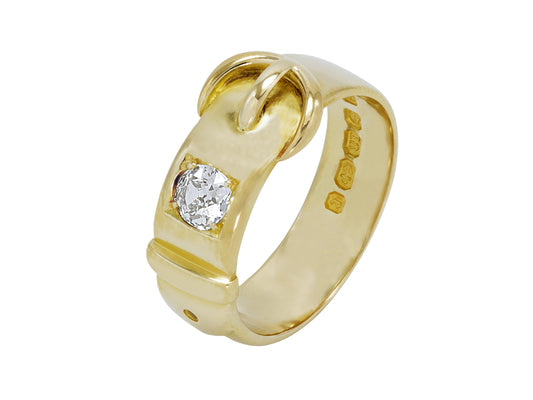
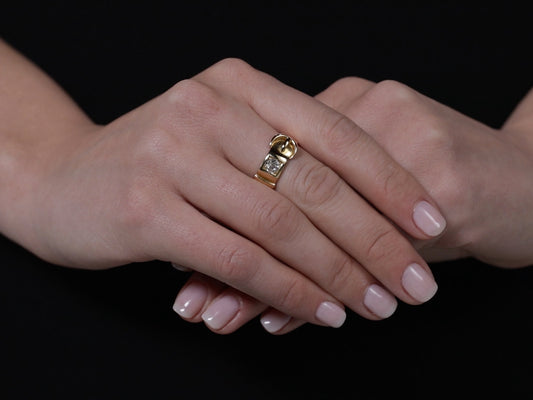
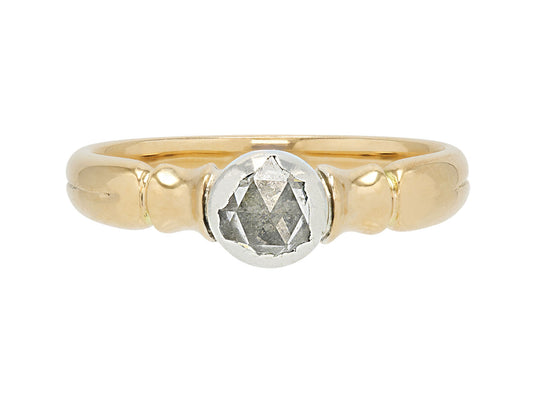
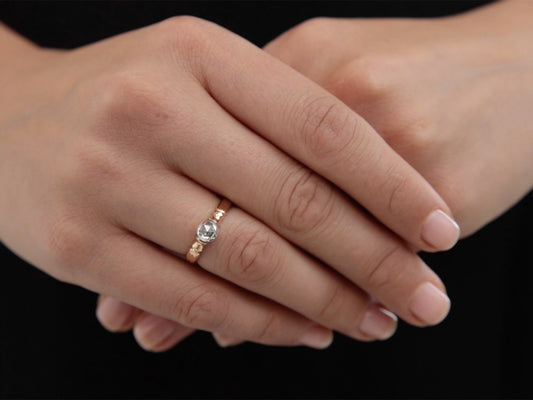
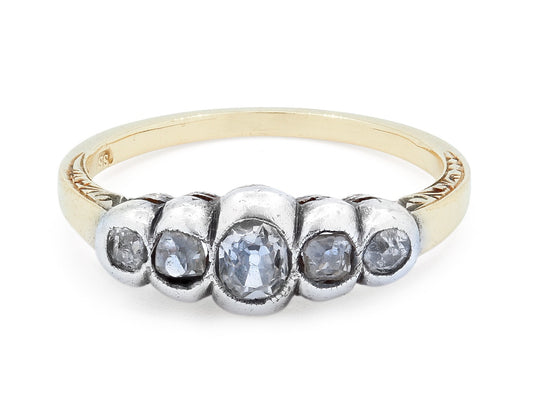
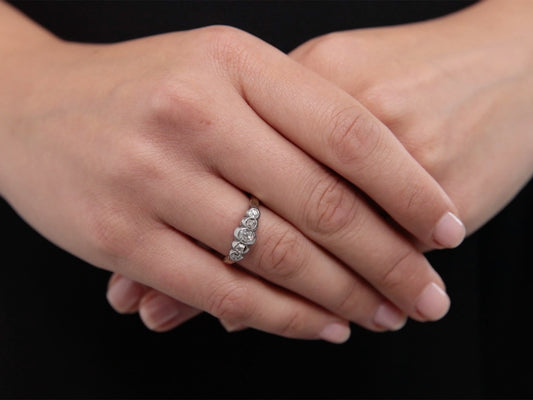
Discover exceptional Victorian rings from 1837-1901, encompassing a variety of styles popularized by Britain's Queen Victoria during her long and powerful reign. Romantic entwined hearts, snakes and flowers are a few of the many deeply sentimental symbols found in antique Victorian rings. Popular materials include chunky old mine cut diamonds set in patinated silver over yellow gold and beloved styles include Etruscan revival designs in yellow gold inspired by the archaeological discoveries found in Italy, Egypt and Greece at the time.

3 products

FAQs

What do Victorian rings look like?

Victorian rings (1837-1901) feature a variety of styles popularized by Queen Victoria during her long reign. Entwined hearts, snakes and flowers are a few of the popular romantic symbols in antique Victorian rings set with diamonds in silver over yellow gold. Archaeological discoveries in Italy, Egypt and Greece inspired Etruscan revival motifs. Mourning rings became fashionable after the death of Prince Albert in 1861. Crafted in materials such as jet and black onyx, these rings feature memento mori designs such as skeletons and skulls to honor the departed. Victorian rings also showcase scrollwork engraving, enamel work and feature gemstones such as garnets and old mine cut diamonds.

What is Victorian jewelry?

Victorian jewelry roughly spans the years from 1837 to 1901, concurrent with the reign of Queen Victoria. The period is known for a wide variety of design, including fine, yellow gold, Etruscan and Egyptian revival pieces, Gothic and Renaissance references as well as a profound interest and emphasis on sentiment and symbolism. Serpents and serpentine motifs became especially popular symbols of eternal love during this period after Prince Albert presented Queen Victoria with an engagement ring designed as a snake, and plaited hair work pieces fashioned from human hair served as further expressions of devotion and affection. Following Prince Albert's untimely death in 1861, mourning jewelry composed of materials such as jet, black glass and black onyx became widespread. The Industrial Revolution of the 1850s and beyond democratized jewelry production through mass-scale metalworking, making jewelry both more affordable and more accessible to the general population during this transformative era.

How does Beladora verify authenticity?

Authenticating jewelry requires nuanced expertise. Many thousands of pieces of jewelry from every era and every maker have passed through our hands for over 40 years. This familiarity enables us to know what a piece should look and feel like, if it has the expected quality of material and workmanship, if the metal and makers marks are correct and if the expected signature is authentic.

As a first step, we look at the front and back of every bracelet, ring or brooch, turning it over in our hands to see that the workmanship on the reverse is as fine as the detail on the front. Using a loupe, the jeweler’s essential tool, we look carefully at many different touch points, some of which include examining the precision with which diamonds are mounted in their settings, the manner in which gold or platinum links are connected to each other, the fineness of the material, the quality of the azuring - a difficult and refined aspect of metalwork and lastly, the flawlessness of the polish.

If we have any doubts whatsoever as to authenticity, we submit the piece to the relevant firm, be it Cartier, Van Cleef & Arpels, Verdura, David Webb and others. We also request the original bill of sale, box and papers for those items most commonly faked such as Cartier Love brackets and VCA Alhambra pieces. And just as banks know their customers, we, too, ensure we know enough about our clients to assure ourselves of their ownership and provenance.

Our team of GIA-certified jewelry experts has such a well-regarded reputation in the international jewelry industry that we are frequently called upon to advise auction houses, appraisers and other dealers in matters of authenticity and value.